Indonesia




Jawaban singkat
Marmer putih diklasifikasikan dalam tiga cara, dan sebagian besar nama komersial termasuk dalam lebih dari satu kelompok sekaligus.
Jenis marmer putih yang paling banyak diperdagangkan adalah Carrara, Calacatta Gold, Statuario, Arabescato, Thassos, Sivec, Volakas, Marmara, Afyon, Bianco Dolomiti, Blanco Macael, Estremoz, Makrana, Vermont Danby, Guangxi White, Vietnam Crystal White, White Wooden Marble, Panda White, Oriental White, dan Calacatta Viola.
Letakkan lempengan Thassos, lempengan Carrara, dan lempengan Panda White berdampingan, dan Anda mendapatkan tiga material yang memiliki satu nama yang sama. Yang pertama adalah putih datar, dingin, hampir seperti gula. Yang kedua adalah kabut abu-abu lembut. Yang ketiga adalah komposisi hitam-putih yang layak berdiri sendiri di sebuah dinding.
Jadi, "marmer putih" menggambarkan kelompok warna, bukan tampilan tertentu. Setelah Anda benar-benar memilih, pertanyaannya berubah: warna dasar apa yang berada di balik urat, seberapa banyak gerakan visual yang dapat diterima ruang tersebut, dan apa yang seharusnya dilakukan batu itu setelah dipasang?
Batu yang sama sering masuk ke lebih dari satu kelompok, karena marmer alami bervariasi menurut area tambang, blok, dan lempengan. Nama membantu Anda membuat daftar pilihan awal. Lempenganlah yang menentukan sisanya.
Dua puluh nama komersial dari Eropa, Asia, dan Amerika Utara. Baca kolom "peran visual" sebagai fungsi umum batu tersebut di dalam ruangan — apa yang dilakukannya tanpa perlu dipaksakan.
| Jenis marmer putih | Asal umum | Warna dasar dominan | Urat atau gerakan visual yang umum | Peran visual umum |
|---|---|---|---|---|
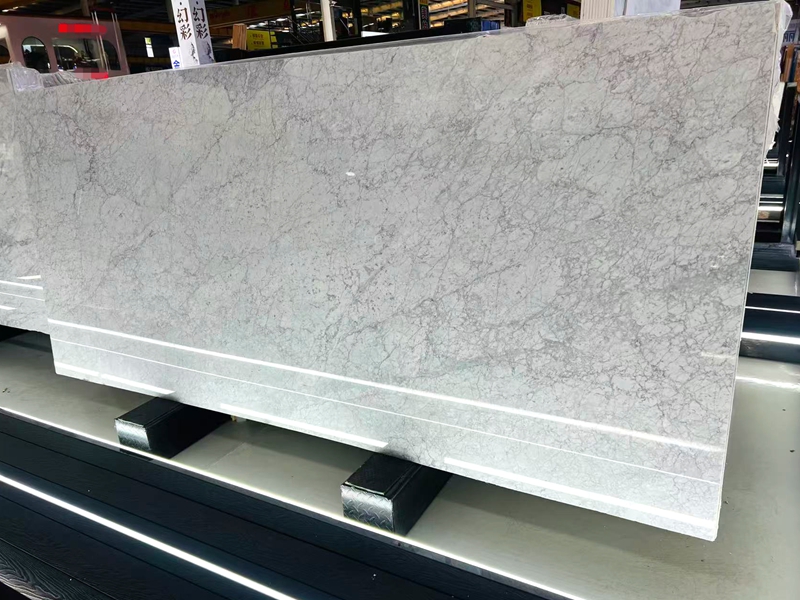
| Carrara Putih | Italia | Putih keabu-abuan sejuk | Urat abu-abu halus hingga sedang dan efek berkabut lembut | Atmosferik atau latar belakang |
| Calacatta Gold | Italia | Putih cerah hingga putih hangat | Urat abu-abu lebar, sering dengan aksen emas atau krem | Pernyataan |
| Statuario | Italia | Putih bersih dan bercahaya | Urat abu-abu tegas dengan area putih terbuka yang relatif luas | Pernyataan yang halus |
| Arabescato | Italia | Putih lembut hingga gading muda | Urat abu-abu yang padat, mengalir, dan saling berjalin | Pernyataan |
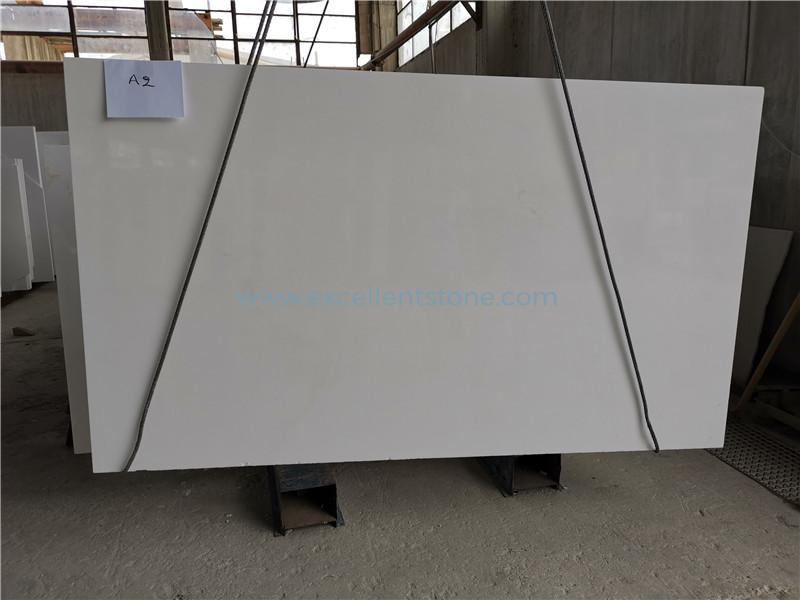
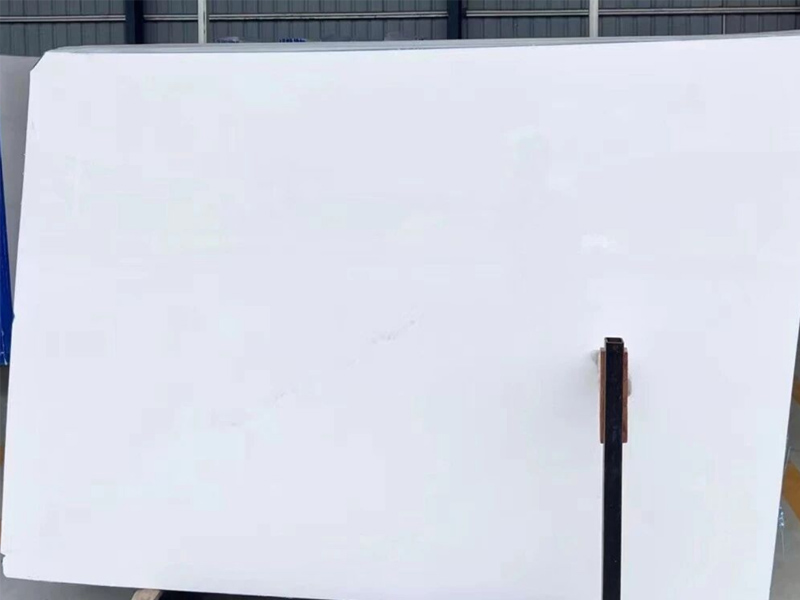
| Thassos White | Yunani | Putih kristalin cerah dan sejuk | Urat yang terlihat sangat minim | Latar belakang |
| Sivec White | Makedonia Utara | Putih netral cerah | Garis abu-abu muda halus atau pergerakan kristalin yang samar | Latar belakang atau arsitektural yang halus |
| Volakas | Yunani | Putih, terkadang sedikit sejuk atau hangat | Urat diagonal abu-abu, taupe, atau abu-abu kecokelatan | Atmosferik atau pernyataan |
| Marmara White | Turki | Putih hingga putih krem muda | Garis-garis abu-abu paralel | Arsitektural |
| Afyon White | Turki | Putih netral cerah hingga putih hangat muda | Pergerakan kristalin yang tenang atau urat samar | Latar belakang |
| Bianco Dolomiti | Turki | Putih hingga putih abu-abu pucat | Urat abu-abu linear halus atau tersebar lembut | Beraspek atmosferik |
| Blanco Macael | Spanyol | Putih hingga putih abu-abu muda | Tanda abu-abu halus, sesekali urat berarah | Latar belakang atau arsitektural |
| Estremoz White | Portugal | Putih hangat hingga krem | Gerakan lembut abu-abu, krem, cokelat, atau sesekali merah muda | Beraspek atmosferik |
| Makrana White | India | Putih bersih hingga netral | Biasanya pola tidak mencolok; beberapa pilihan menunjukkan garis abu-abu atau merah muda | Latar belakang |
| Vermont Danby | Amerika Serikat | Putih cerah | Gerakan diagonal abu-abu, terkadang dengan aksen yang lebih hangat | Beraspek atmosferik atau pernyataan yang halus |
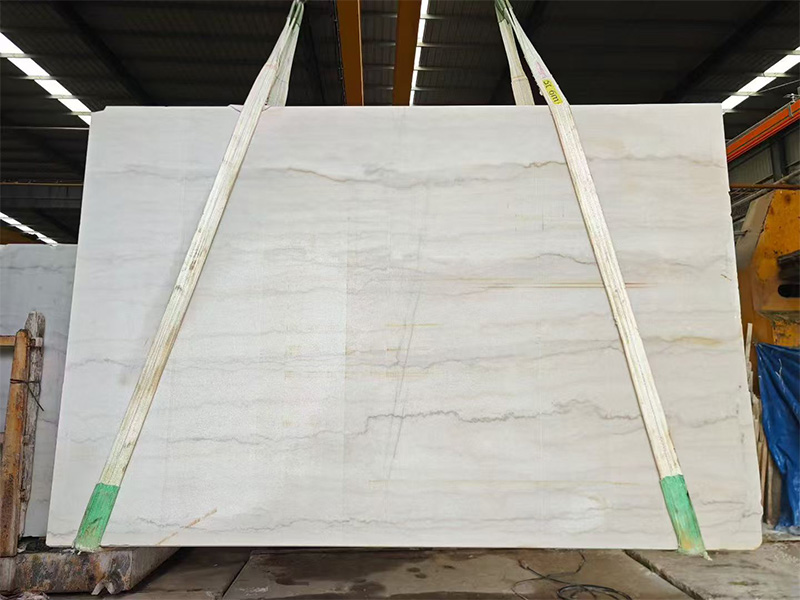
| Guangxi White | Tiongkok | Putih cerah hingga putih susu | Kabut abu-abu muda atau gerakan lembut seperti bayangan | Latar belakang atau atmosferik |
| Vietnam Crystal White | Vietnam | Putih kristalin cerah dengan nuansa dingin hingga netral | Sangat sedikit urat atau tekstur kristalin samar | Latar belakang |
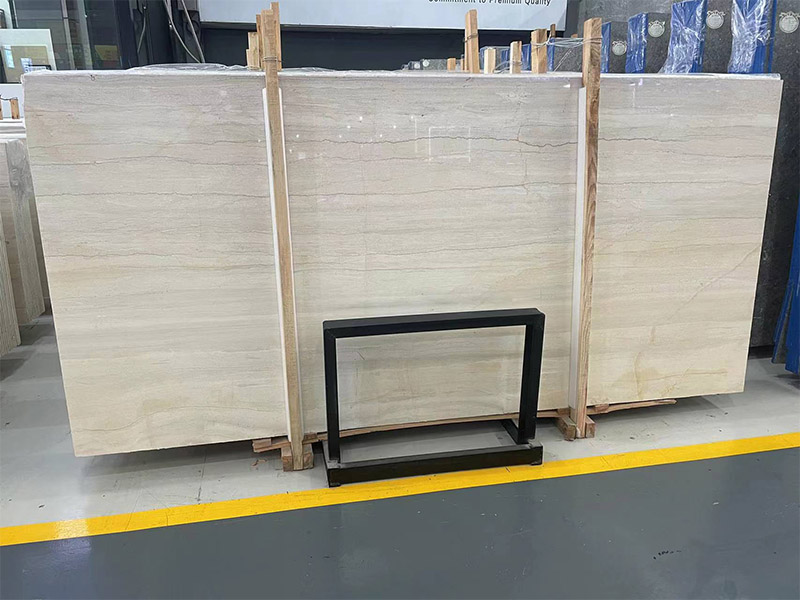
| Marmer Kayu Putih | Tiongkok | Putih hingga putih abu-abu | Garis dan pita serat kayu paralel | Arsitektural |
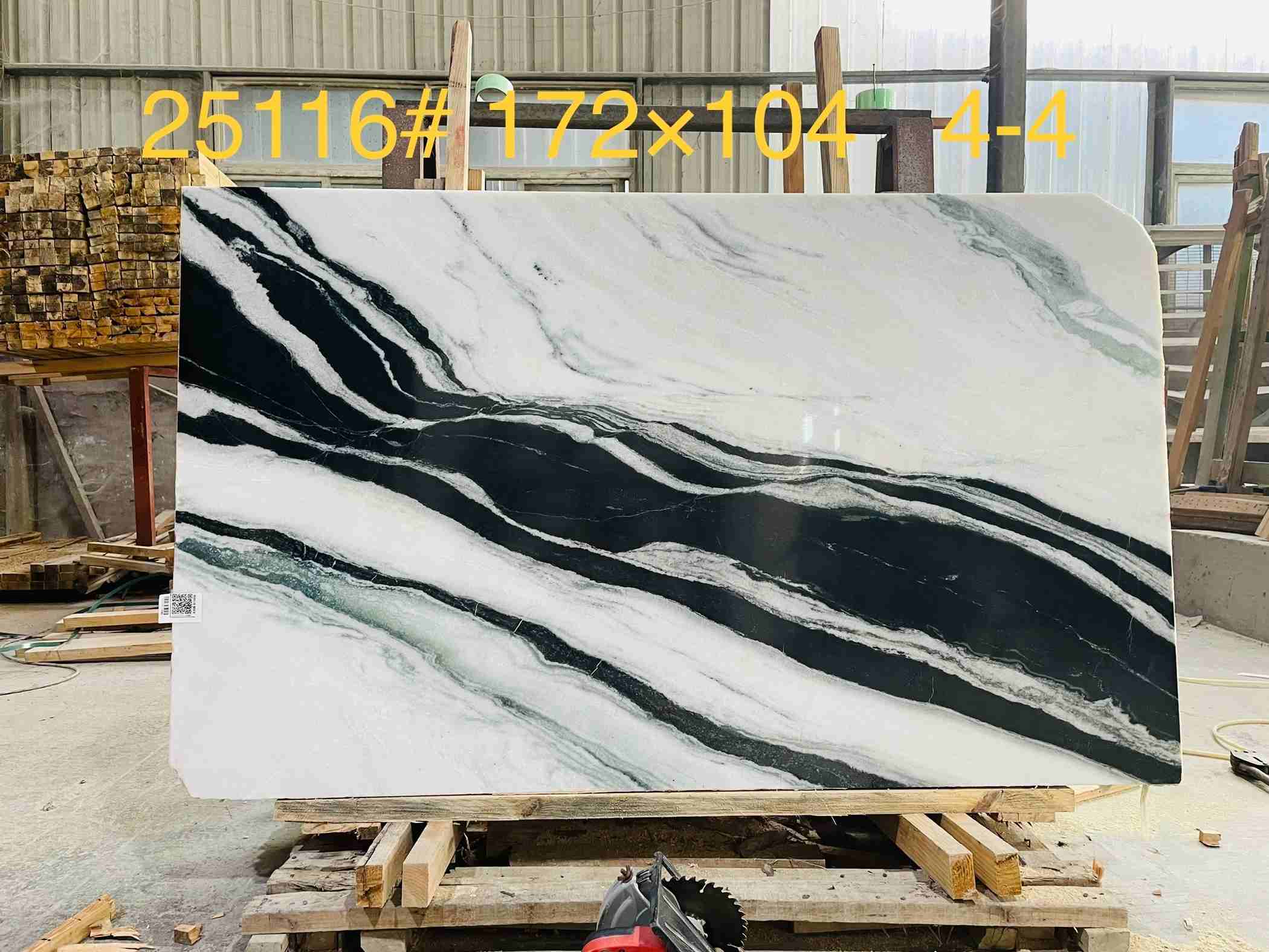
| Panda Putih | Tiongkok | Putih jernih | Pita hitam atau abu-abu gelap besar dengan kontras kuat | Pernyataan |
| Oriental Putih | Tiongkok | Putih | Gerakan abu-abu mengalir hingga abu-abu gelap, bervariasi menurut pilihan | Bernuansa atmosfer atau pernyataan |
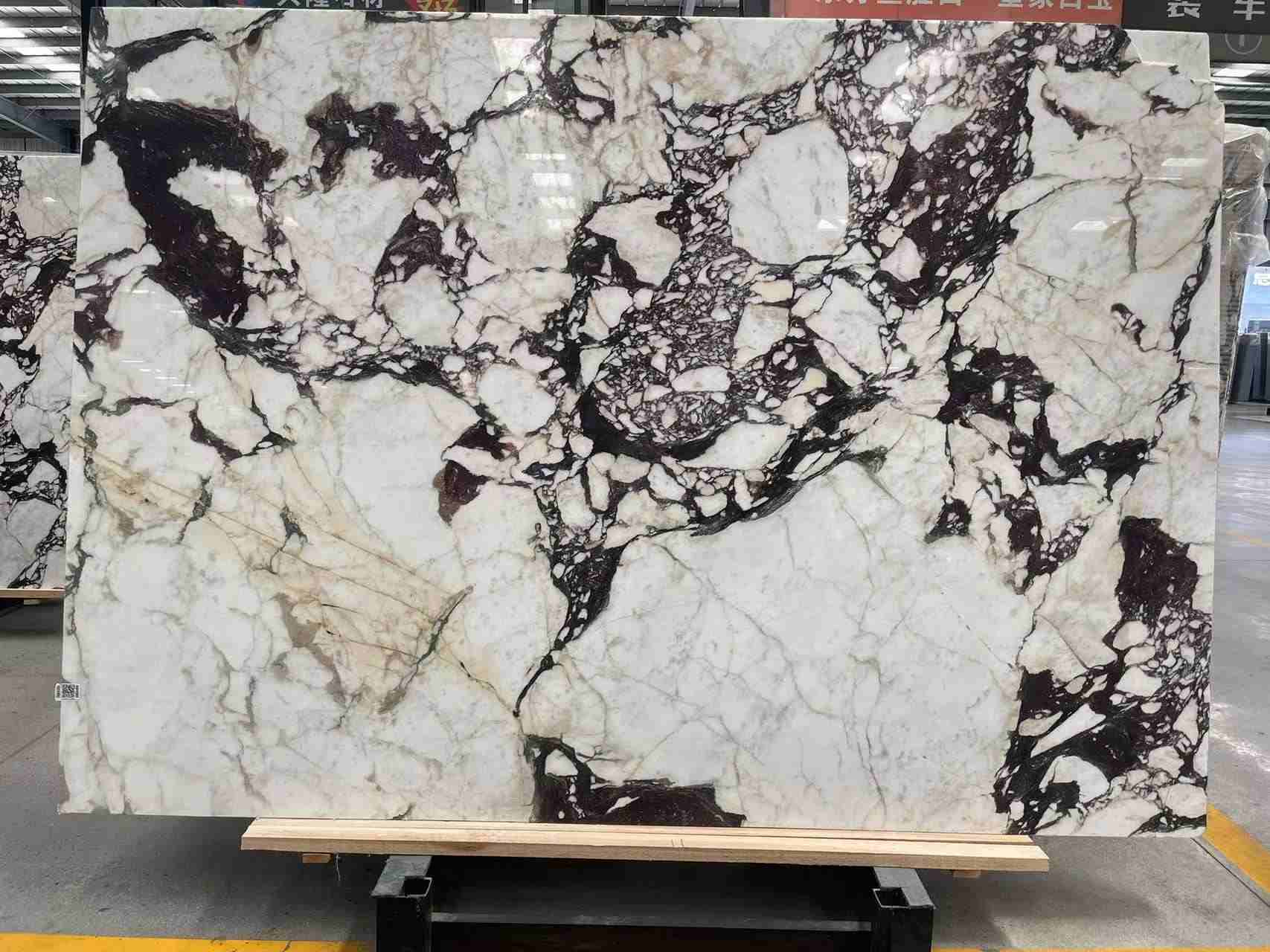
| Calacatta Viola | Italia | Putih krem | Urat burgundi, ungu violet, dan abu-abu | Pernyataan dekoratif |
Empat nama Italia ini paling sering menyebabkan kebingungan, jadi membantu untuk memisahkannya sejak awal. Carrara adalah yang abu-abu — bidang yang lebih tenang, gerakan yang lebih halus. Calacatta memiliki tampilan yang lebih bersih dan cerah di balik urat yang ukurannya jauh lebih besar. Statuario mempertahankan banyak area putih terbuka dan menghadirkan abu-abunya dalam sapuan yang disengaja. Arabescato memenuhi lempengan, dengan urat yang bercabang dan saling bertemu hingga hanya tersisa sedikit ruang kosong.
Nama komersial juga meluas. "Vietnam White" dapat mencakup beberapa batu dan beberapa tingkat kualitas; Vietnam Crystal White mengarah pada satu hal spesifik — material kristalin cerah dengan sedikit urat yang dijelaskan di bawah.
Nada latar adalah bidang yang terlihat di belakang urat: warna yang menjadi dasar sebuah lempengan setelah Anda berhenti memperhatikan pola di atasnya.
Mundurlah beberapa meter untuk membacanya. Dari dekat, mata langsung tertuju pada urat dan melaporkan warnanya alih-alih warna bidang latarnya. Lempengan Panda White dengan pita hitam tebal tetap memiliki latar putih bersih. Lempengan yang hampir bebas urat dapat memiliki dasar yang jelas abu-abu atau krem.
Marmer putih cerah terlihat hampir datar — bidang yang berkesinambungan tanpa elemen yang bersaing untuk menarik perhatian.
Thassos White berada di ujung paling jauh dari kategori ini. Berasal dari Yunani, bersifat dolomit, lebih menyerupai gula batu daripada kebanyakan batu lainnya: padat, dingin, sedikit berkilau, dan pada dasarnya tanpa urat. Letakkan di samping apa pun di halaman ini dan batu di sebelahnya akan tampak sedikit lebih abu-abu atau sedikit lebih kuning.
Vietnam Crystal White berada sedikit lebih hangat dan sedikit lebih kasar. Kristal individual menangkap cahaya, memberikan permukaan butiran halus samar alih-alih kecerahan datar milik Thassos. Dari jarak dua meter keduanya terlihat seperti batu yang sama. Dari jarak satu lengan, keduanya berbeda.
Pilihan bersih dari Sivec, Makrana Putih dan Afyon Putih juga masuk ke sini. Sivec adalah material netral cerah dari Makedonia, rapat dan merata. Makrana adalah yang berwarna putih susu — padat, tidak berkilau, menyerap cahaya saat Thassos memantulkannya, dan merupakan batu yang paling banyak dikenali orang dari Taj Mahal.
Putih cerah tetap memberi ruang untuk detail. Bayangan samar, titik mineral, dan sesekali urat tetap ada pada semua material ini; hanya saja semuanya tidak mengambil alih bidang. Pengulanganlah yang mengubah tampilan — area abu-abu yang terisolasi atau titik kekuningan yang tidak diperhatikan pada satu lempengan dapat menjadi pola di empat puluh lempengan.
Putih netral tidak menarik ruangan ke arah tertentu. Warna ini tidak akan mendinginkan ruang menjadi biru-abu-abu atau menghangatkannya menjadi krem, sehingga mudah dipadukan dengan kabinet, cat, dan pengerjaan logam yang sudah ditentukan.
Sivec, dipilih Makrana Putih, Afyon Putih, Blanco Macael dan yang lebih tenang Statuario semua berada di sini. Afyon adalah contoh yang paling jelas — putih dengan kabut lembut yang bergerak melaluinya, tidak condong ke arah apa pun.
Kenetralan lebih menyerupai karakteristik suatu batch daripada karakteristik satu lempengan. Satu lempengan tampak netral, berikutnya condong dingin, yang ketiga tampak lebih tembus cahaya, dan rata-ratanya yang akhirnya terlihat di lantai.
Marmer putih dingin atau abu-abu membawa nuansa abu-abu bahkan sebelum satu urat pun dihitung. Bidangnya sendiri sudah terasa dingin.
Carrara Putih adalah acuannya — putih abu-abu yang sudah pernah dilihat semua orang, yang dilembutkan lebih jauh oleh pengaburan halus yang menyebar melalui bidangnya, bukan hanya berada di permukaannya. Bianco Dolomiti, Blanco Macael, dan beberapa pilihan Volakas serta Marmer Kayu Putih termasuk dalam kelompok yang sama.
Urat abu-abu adalah hal yang berbeda. Calacatta memiliki banyak abu-abu di atas bidang yang cerah atau hangat dan tetap terlihat hangat secara keseluruhan; pengaburan pada Carrara-lah yang membuat Carrara tampak abu-abu. Bidanglah yang menentukan, bukan gambar uratnya.
Marmer putih hangat berada pada nuansa krem, beige, atau gading. Secara terpisah, kehangatannya bisa sulit dilihat. Letakkan lempengan di samping dinding yang dicat putih murni dan perbedaannya akan langsung terlihat.
Estremoz Putih adalah versi Portugis, lembut dan bernuansa krem, terkadang membawa semburat merah muda. Calacatta Gold yang lebih hangat dan Arabescato termasuk di sini, bersama dengan Calacatta Viola dan beberapa pilihan Marmara, Volakas dan Danby.
Bidang dan urat menghangat secara terpisah. Bidang putih cerah dapat membawa urat emas; bidang krem dapat membawa urat abu-abu. Keduanya disebut "putih hangat," dan keduanya berperilaku sangat berbeda dalam sebuah ruangan.
Urat adalah gambar di atas bidang: skala, arah, kepadatan, dan kontrasnya. Setelah beberapa lempengan dipasang, hal ini biasanya lebih penting daripada warna latar belakang.
Sebagian besar keluarga ini menghasilkan pilihan dengan pola yang tenang, sedang, dan sangat bercorak. Kelompok di bawah ini menjelaskan bagaimana lempengan berperilaku, dan satu nama dapat muncul di dua kelompok tersebut.
Marmer putih yang bersih atau minimal hampir tidak menampilkan apa pun di permukaan. Latar belakang dan butiran kristal sepenuhnya membentuk tampilan seluruh lempengan — Thassos White, Vietnam Crystal White, Afyon White, Makrana White dan pilihan Sivec.
Hasilnya adalah tampilan yang terkendali, cerah, dan rendah gangguan visual.
Ini juga merupakan bagian tersulit dari katalog untuk dijaga konsistensinya. Pada lempengan dengan urat yang kuat, bayangan abu-abu atau bekas pengisi akan menyatu dengan gerakan pola. Pada warna putih polos, hal itu terlihat sendiri — begitu pula pergeseran suhu warna setengah derajat antara satu lempengan dan lempengan berikutnya.
Carrara White adalah marmer putih lembut dan berkabut yang paling dikenal banyak orang: sapuan abu-abu, bayangan pucat, dan awan berkontras rendah yang memudar ke dalam bidang alih-alih melintasinya. Guangxi White, Bianco Dolomiti, Volakas, Blanco Macael dan beberapa Oriental White bergerak dengan cara yang sama.
Gaya ini memberikan kedalaman pada permukaan sambil mempertahankan kesinambungan, sehingga menjadi alasan mengapa gaya ini mencakup begitu banyak lantai.
Distribusi adalah tempat masalah muncul. Kabut lembut yang terkonsentrasi pada tiga atau empat lempengan tidak lagi terbaca sebagai suasana, melainkan mulai terlihat sebagai bercak gelap. Campurkan pilihan terang dan gelap di sepanjang lantai dan ruangan akan tampak seperti dipasang dari dua kelompok produksi berbeda, karena memang demikian.
Marmer putih linear memiliki garis-garis paralel berulang yang membentang dalam satu arah melintasi lempengan.
Marmara White adalah contoh paling jelas: garis abu-abu melintasi bidang putih hingga sedikit krem dengan keteraturan nyata. Potongan tertentu dari White Wooden Marble, Blanco Macael dan batu berarah lainnya juga terbaca linear.
Arah menjadi bagian dari desain setelah material ini berada di lokasi. Garis dapat memanjangkan koridor atau menentukan susunan sebuah dinding, dan beberapa panel yang diputar atau celah yang tidak konsisten akan merusak keduanya. Orientasi harus dibicarakan dalam pemilihan bersama dengan warna dan ukuran.
Marmer Putih Kayu adalah marmer putih berurat kayu utama dalam pasokan komersial: lapisan-lapisan yang tersusun rapat seperti serat kayu atau lapisan sedimen. Tergantung pada potongannya, pita-pitanya dapat berjalan lurus, sedikit bergelombang, atau sangat terkompresi.
Lebih aktif daripada garis sederhana, tetapi tetap memiliki arah yang kuat.
Kepadatan pita adalah hal yang mengubah efeknya. Serat halus yang berkesinambungan dan pita lebar yang terputus berasal dari keluarga yang sama dan terlihat seperti material yang berbeda setelah dipasang — biasanya perbedaannya lebih besar daripada perubahan sedang pada warna dasar.
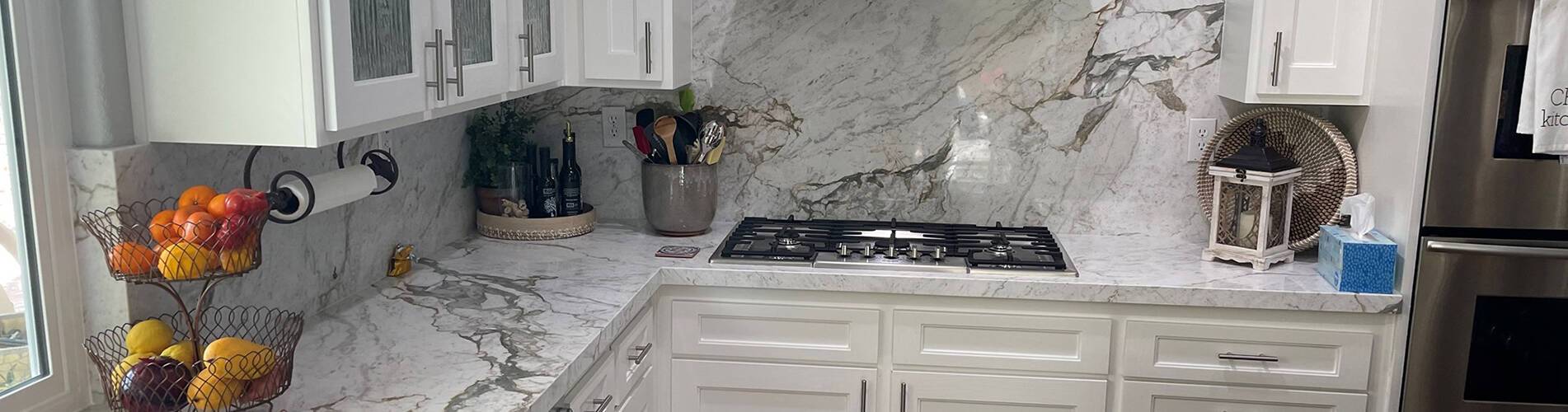
Marmer putih berani menampilkan jalur urat besar yang dapat Anda ikuti melintasi ruangan: Calacatta Gold,Statuario,Arabescato, Volakas,Vermont Danby dan pilihan Oriental White.
Pergerakannya memiliki bentuk yang berbeda-beda. Calacatta mengalir dalam sapuan lebar yang terbuka. Statuario menampilkan warna abu-abunya secara sengaja dan menyisakan area putih di sekitarnya. Arabescato bercabang dan saling menjalin hingga lempengnya hampir penuh. Danby bergerak diagonal, terkadang dengan aksen yang lebih hangat di sepanjangnya.
Batu-batu ini tetap mudah terbaca dari kejauhan, sehingga cocok digunakan pada dinding fitur dan pulau fokus. Hal ini juga membuat pemotongan menjadi penentu: komposisi yang terlihat indah pada satu lempeng penuh dapat kehilangan logikanya setelah dibagi menjadi beberapa panel.
Marmer putih berkontras tinggi menciptakan hubungan grafis antara latar putih dan gerakan gelap.
Panda White adalah contoh paling sederhana — pita hitam dan abu-abu gelap melintasi putih yang jernih, lebih menyerupai cetakan daripada kebanyakan marmer. Calacatta Viola menghadirkan warna merah anggur dan ungu. Paonazzo dan pilihan Calacatta yang lebih ekspresif memadukan abu-abu, hitam, emas, dan amber. Beberapa lempeng Oriental White mengarah pada efek sapuan tinta, dengan abu-abu yang berkumpul dan menipis di seluruh permukaan.
Material seperti ini dipilih sebagai sebuah komposisi. Di mana pita gelap berada, seberapa banyak area putih terbuka yang tersisa di sekitarnya, apakah dua panel saling menyeimbangkan — hal-hal tersebut menentukan apakah dinding terlihat dirancang dengan sengaja atau terlalu ramai. Nama jenisnya kurang berpengaruh terhadap hasil akhir dibandingkan urutan dan potongannya.
Latar belakang dan urat menjelaskan lempengan tersebut. Peran menjelaskan apa yang terjadi setelah pemasangan, dan biasanya ini adalah cara tercepat dari "marmer jenis apa ini" menuju "marmer mana yang saya inginkan."
| Peran visual | Apa yang dilakukan batu tersebut | Karakteristik umum | Marmer putih yang mewakili |
|---|---|---|---|
| Latar belakang | Menciptakan cahaya dan kesinambungan sambil memungkinkan furnitur, benda, atau arsitektur menjadi pusat perhatian | Bidang yang bersih atau tenang, kontras rendah, pergerakan yang dapat diulang | Thassos, Kristal Vietnam, Sivec, Afyon, Makrana |
| Atmosferik | Memberi kelembutan, kedalaman, atau variasi alami pada ruangan tanpa menjadi satu gambar fokus tunggal | Pengaburan awan, urat halus, pergeseran tonal bertahap | Carrara, Guangxi, Bianco Dolomiti, Volakas lembut, Estremoz |
| Arsitektural | Memperkuat arah, proporsi, simetri, atau keteraturan struktural | Garis paralel, pita, pergerakan arah yang konsisten | Marmara, Marmer Kayu Putih, Blanco Macael pilihan |
| Pernyataan | Menjadi permukaan fokus atau komposisi batu yang mudah dikenali | Urat skala besar, kontras kuat, warna khas, atau potensi susunan cermin | Calacatta Emas, Arabescato, Statuario, Panda Putih, Calacatta Viola |
Peran berubah sesuai pemilihan dan tata letak. Panel Calacatta yang tenang dapat berperilaku secara atmosferik. Lempengan Volakas dengan urat kuat dapat membawa sebuah dinding dengan sendirinya. Marmara yang dipotong menjadi ubin kecil dan diputar secara acak kehilangan keteraturan arsitektural yang membuatnya menjadi Marmara sejak awal.
Pengelompokan ini ada untuk menamai hasil yang dibutuhkan sebuah proyek, sebelum siapa pun mulai memilih satu kelompok bahan.
Pemilihan menjadi lebih mudah dari arah sebaliknya: mulai dari hasil terpasang dan telusuri kembali ke batu.
Sebuah proyek jarang membutuhkan "marmer putih yang bagus." Proyek membutuhkan permukaan putih yang menyatu di empat ratus meter persegi, atau dinding kontinu yang tenang, atau deretan garis yang teratur, atau susunan cermin yang benar-benar bertemu, atau satu lempengan yang menjadi pusat perhatian. Masing-masing membutuhkan bukti yang berbeda.
Lantai besar, bidang dinding, dan panel modular berulang menginginkan satu kesan putih yang berkesinambungan. Lempengan yang indah secara individu tidak berarti jika tidak selaras satu sama lain.
Hal itu membutuhkan latar belakang cerah atau netral yang stabil, kontras rendah, dan pola pergerakan yang tetap seimbang melalui pengulangan:Thassos Putih,Kristal Putih Vietnam,Sivec,Makrana Putih,Afyon Putih dan Guangxi Putih pilihanGuangxi Putih.
Rentang variasi lebih penting daripada satu sampel apa pun di sini. Pada batu minimalis, titik hitam, mineral kekuningan, bercak abu-abu, dan area resin tidak memiliki tempat untuk bersembunyi, dan pertanyaannya menjadi apakah hal tersebut terbaca sebagai variasi alami atau sebagai gangguan pada permukaan.
Ukuran panel mengubah jawabannya. Ubin kecil menyebarkan variasi; panel besar menampilkan pengaburan lokal dan inklusi. Bidang putih harus bertahan pada jumlah yang benar-benar tersedia, bukan hanya pada lempengan yang paling bagus difoto.
Beberapa ruangan menginginkan kesinambungan tanpa kerataan dari putih yang hampir tanpa urat.
Batu untuk kebutuhan tersebut memiliki urat halus hingga sedang dengan kontras rendah, pengaburan yang tersebar lembut, dan transisi bertahap antara area yang lebih terang dan lebih abu-abu:Carrara Putih,Bianco Dolomiti, Guangxi White, lebih lembut Volakas, Blanco Macael dan yang lebih tenang Oriental White.
Ini dinilai sebagai satu kesatuan. Sekumpulan lempengan yang menarik tetap dapat terlihat tidak serasi ketika awan abu-abu berkumpul atau latar belakang bertingkat alih-alih memudar. Pada lantai, bagian yang lebih kuat dan lebih tenang perlu didistribusikan; pada dinding, pertanyaannya adalah apakah pola awan melintasi sambungan secara alami atau membuat satu panel tampak lebih gelap daripada panel di sebelahnya.
Variasi lembut adalah karakter batu-batu ini. Hal yang perlu diperhatikan adalah ketika area gelap atau perubahan temperatur mulai menciptakan titik fokus yang tidak diinginkan.
Koridor, lobi, dinding tangga, meja panjang, elevasi yang teratur — tempat urat batu dapat menjalankan fungsi struktural.
Marmara White dan White Wooden Marble menjadi pilihan utama di sini, dengan Blanco Macael menawarkan versi yang lebih tenang dari gagasan yang sama. Kesamaan yang mereka butuhkan: serat yang jelas, orientasi garis yang konsisten, dan panjang yang cukup dapat digunakan untuk mempertahankan arah tersebut di seluruh bagian yang direncanakan.
Garis-garis tersebut harus memiliki fungsi terlebih dahulu — memanjangkan lantai, menambah kesan tinggi, menyelaraskan dengan pekerjaan kayu, membentuk pita — karena fungsi tersebut menentukan orientasi pemotongan. Rotasi, jarak yang tidak merata, dan pita yang berhenti pada sambungan penting membuat material yang teratur menjadi tampak gelisah.
Jarak antar garis dan lebar modul juga harus selaras. Pita lebar dapat menghilang di dalam jalur sempit; serat yang rapat dapat mulai tampak bergetar pada bidang yang luas.
Pencocokan urat berhasil ketika pola berlanjut dari panel ke panel. Bookmatch juga harus dicerminkan menjadi sesuatu yang seimbang.
Pola yang kuat dan mudah terbaca membantu — Calacatta Gold, Arabescato, Panda White, Statuario dan Oriental White yang ekspresif — meskipun urat yang dramatis saja tidak menjamin apa pun. Dinding membutuhkan lempengan yang berurutan, ukuran panel yang dapat digunakan, dan jalur urat yang tiba di sambungan yang semestinya.
Elevasi menjadi yang utama: dimensi panel, sambungan, bukaan, pusat visual. Urat tengah yang kuat dapat terlihat sempurna pada lempengan, lalu terpecah ketika pemangkasan dan potongan bukaan digambarkan di atasnya.
Zona pencocokan membawa sebagian besar risiko — retakan, perbaikan besar, area lemah, perubahan warna. Bobot visual juga harus seimbang di seluruh cermin. Panel yang padat di samping bidang putih terbuka dapat bertemu sempurna pada sambungan dan tetap terlihat keliru.
Sebuah island, meja resepsionis, perapian, atau panel yang diperlakukan sebagai karya seni. Batu menjadi penentu dan segala sesuatu lainnya mengikuti.
Panda White, Calacatta Viola, Paonazzo, Calacatta Gold, Arabescato dan pilihan Calacatta yang lebih ekspresif melakukan hal ini — pola pergerakan besar yang mudah dibaca, hierarki yang jelas antara warna bidang dan urat, serta permukaan utuh yang cukup untuk mempertahankan komposisi setelah pemotongan.
Marmer tersebut dipilih sebagai gambar, dibingkai oleh ruangan. Pola hitam, abu-abu, emas, ungu, atau merah burgundi yang kuat perlu ditempatkan secara sengaja, dengan cukup ruang putih terbuka di sekelilingnya agar dapat terlihat jelas. Aktivitas yang seragam di seluruh lempengan dapat terbaca sebagai tekstur dan kehilangan fokusnya, sementara satu urat yang terkonsentrasi dan ditempatkan dengan baik dapat memberikan dampak yang jauh lebih besar.
Sebagian besar masalah yang terjadi di sini bersifat komposisional. Polanya berada di satu sisi, dua warna saling bersaing, atau potongan menghilangkan area persis yang membuat lempengan tersebut layak dibeli. Perbaikan dan retakan paling penting ketika melewati titik fokus atau zona struktural yang tipis. Lempengan yang tepat adalah lempengan yang dramanya tetap bertahan setelah fabrikasi di posisi yang memang ditujukan untuknya.
Tiga hal berlaku pada kelima efek tersebut. Lempengan utuh dan batch aktual memberi tahu Anda lebih banyak daripada sampel mana pun. Variasi alami dan ketidakcocokan yang nyata adalah dua masalah yang berbeda dan perlu ditangani secara berbeda. Dan jumlah stok harus mampu menghasilkan ukuran panel serta urutan yang diasumsikan oleh desain.
Thassos White dan Vietnam Crystal White, dengan pilihan Sivec, Afyon White dan Makrana White berada tepat di belakangnya. Perlu diketahui bahwa "minimal" menggambarkan uratnya, bukan permukaannya — variasi kristal, titik mineral, dan bayangan samar semuanya masih dapat terlihat.
Tidak ada satu jenis marmer putih yang terbaik untuk lantai area luas; pilihannya mengikuti efek yang diinginkan. Carrara dan Guangxi White memberikan lantai kontinu yang lembut; Sivec, Afyon, dan Makrana memberikan nuansa netral yang lebih tenang; Marmara menghadirkan arah; Thassos paling mendekati putih murni. Semuanya membutuhkan latar yang konsisten, pola pergerakan yang terdistribusi merata, dan jumlah batch yang mencukupi. Finishing dan performa merupakan pembahasan yang terpisah.
Carrara memiliki bidang dasar putih keabu-abuan yang lebih dingin dengan pola pergerakan yang lebih halus dan lembut. Calacatta memiliki dasar yang lebih cerah atau hangat dengan urat abu-abu yang lebih lebar, terkadang disertai warna emas atau krem. Kedua nama tersebut mencakup rentang alami yang luas, sehingga dua lempengan yang dijual dengan nama yang sama dapat terlihat lebih berbeda satu sama lain daripada Carrara dan Calacatta yang dipilih berdampingan.
Bookmatching cocok dengan marmer putih apa pun yang memiliki urat kontinu dan mudah dibaca serta lempengan berurutan yang tersedia. Calacatta, Arabescato, Panda White, Statuario dan Oriental White yang kuat paling sering digunakan. Urutannya harus dicerminkan menjadi komposisi yang seimbang di dalam dimensi panel yang benar-benar tersedia pada dinding.
Ya, dengan satu hal yang perlu dipahami sejak awal: sebagian besar marmer putih tradisional bersifat kalsitik dan akan teretsa saat terkena asam. Lemon, anggur, dan cuka meninggalkan noda kusam. Banyak klien menganggapnya sebagai patina dan menyukainya. Jika persyaratannya adalah permukaan poles yang tetap tanpa perubahan, material dari kategori lain adalah jawaban yang lebih mudah.
Marmer putih menjadi lebih mudah dibandingkan setelah nama tersebut diperlakukan sebagai pertanyaan pembuka. Tentukan nuansa warna dasarnya, kenali karakter uratnya, tentukan peran yang harus dimainkan batu tersebut, lalu lihat lempengan asli berdasarkan hal-hal itu.
Variasilah yang membuat material ini layak digunakan. Klasifikasinya hanya ada untuk membantu menjaganya tetap terkendali.
Kategori
Blog baru
 ROOM 205,NO.45, MIDDLE HAIJING ROAD,XIAMEN,AREA OF PILOT FREE TRADE ZONE(FUJIAN)OF CHINA
Untuk Pertanyaan tentang produk atau daftar harga kami, silakan tinggalkan kepada kami dan kami akan berhubungan dalam 24 jam.



© hak cipta: 2026 XIAMEN EXCELLENT STONE CO.,LTD. Seluruh hak cipta.

Jaringan IPv6 didukung